Snow rescue is a race against minutes. When a skier, snowboarder, or backcountry rider goes down in deep snow — a buried fall, an avalanche, a broken limb in a remote line — the combination of cold, terrain, and distance from help turns a recoverable injury into a fatal one faster than most people realize. This research breaks down how alpine rescue actually works today: the survival curves, the two user groups involved, and the gap the current system still can't close.
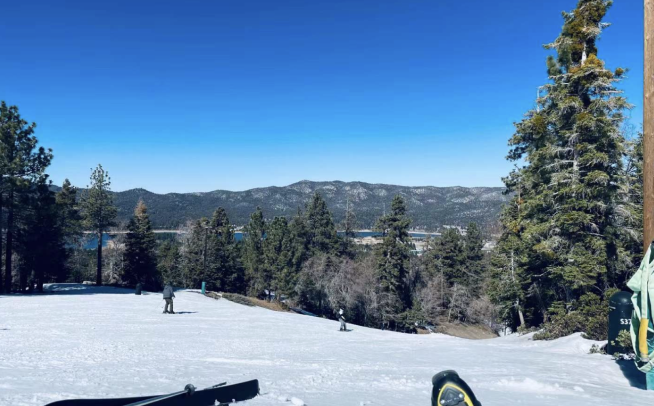
I broke my leg skiing at Big Bear Lake, California. After a 40-minute wait, the patroller who finally reached me couldn't move me safely — so he said the only honest thing he could:
That moment became the seed for this research. Not a product first — a question first. What actually goes wrong when things go wrong in deep snow, and where is the rescue system failing the people inside it?
Avalanche survival rates collapse almost immediately. Companion rescue — someone already on the mountain with the right gear — is the single most decisive factor. Professional response almost never arrives in time.
Steep backcountry, buried lines of sight, extreme cold and wind, unstable snowpack — rescue teams fight the mountain before they ever reach the victim.
Patrol staffing is thin during peak days. Multi-casualty incidents overwhelm capacity immediately, and specialized extraction gear is rarely on-site.
Radio drops in canyons. Phones die in the cold. Victims can't signal, and responders can't triangulate — buried riders are often invisible to the teams above them.
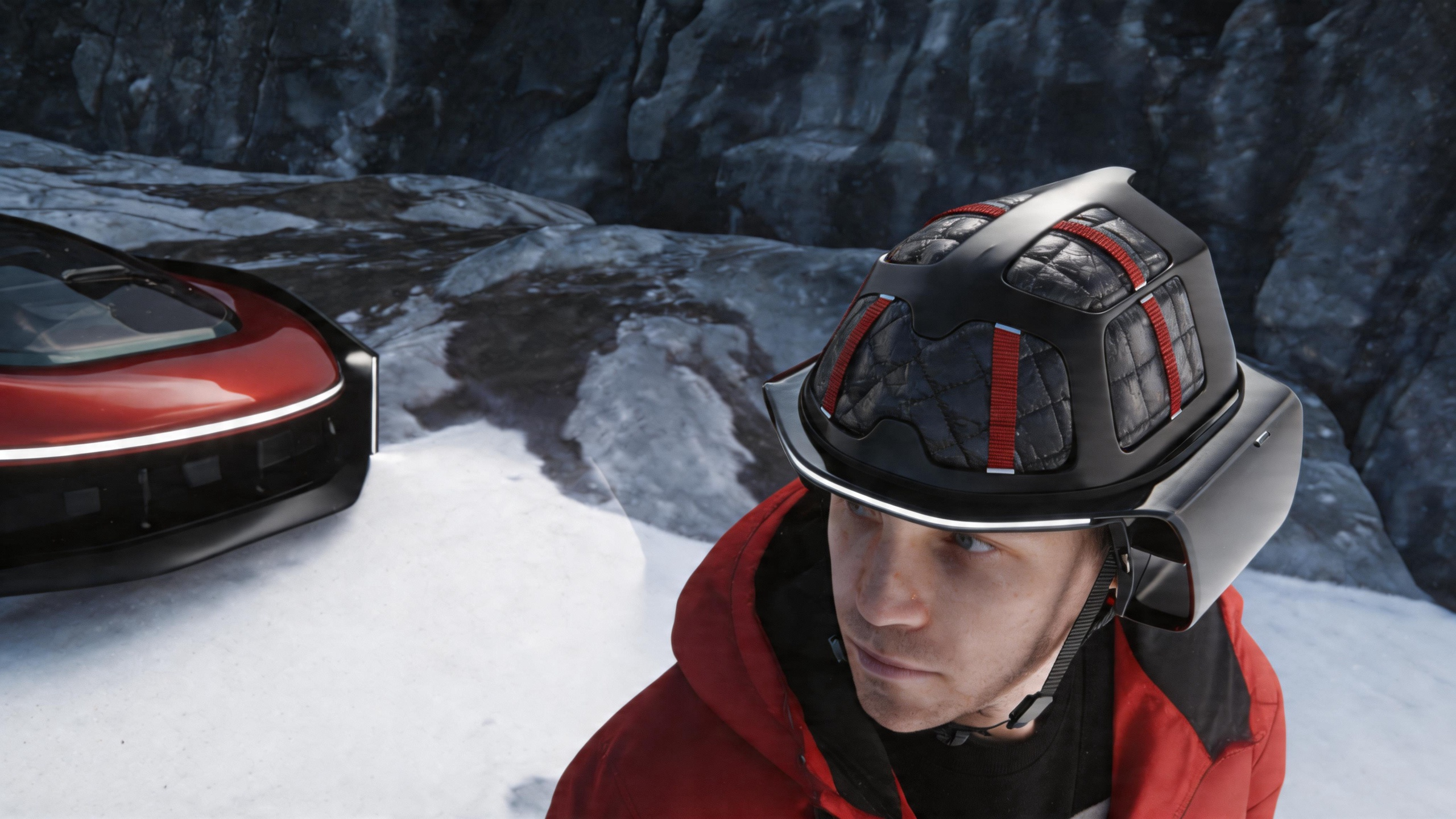
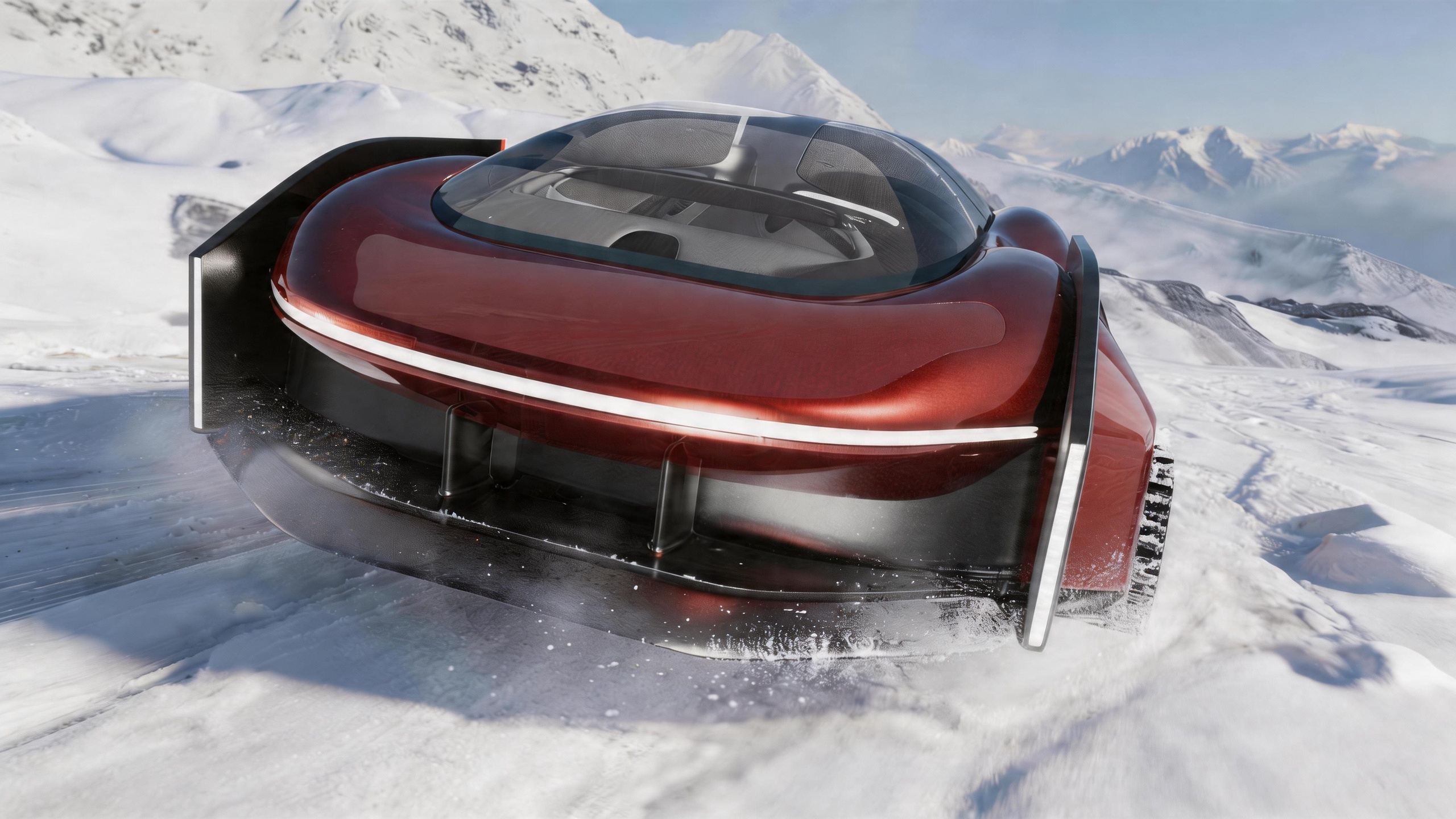
Interviews with nine riders, patrollers, and industry insiders kept returning to the same split: the person who needs rescue and the person who performs rescue. The helmet is written for the first. The vehicle is written for the second. The research underneath is written for both.
Gu Jun · 33
Snowboarder and ski guide. Rides deep snow and steep terrain six days a week. Values lightweight, reliable gear that won't fail in the cold.
Rachel Green · 37
Full-time ski patroller. Manages multiple incidents per day during peak season, balancing rescue operations with mountain-wide safety coverage.
Liyu Xu
Elementary-school teacher, weekend family rider. Prioritizes predictable handling, low operating cost, and safety for children and beginners.
Tom Miller
Snowmobile salesperson and service manager at a regional dealership. Windows into market trends: electrification, cold-battery concerns, serviceability.
Electric powertrains are no longer a rounded-edge compromise. They're the best available answer for the specific problems of snow rescue: instant torque at low temperatures, near-silent operation (rescuer hearing matters), lower running cost, simpler field service.
Over 200 EV brands on the road globally. Firm ICE phase-out policies in the EU, California, and China. 17.8M EVs sold in 2024.
A 2-stroke sled burns $1,500–$3,000 in fuel per season. Grid charging comes out closer to $200–$400 for the same mileage.
Thin-film heaters and phase-change materials keep cell performance stable at −20°C. Encapsulated housings shrug off snow and ice.